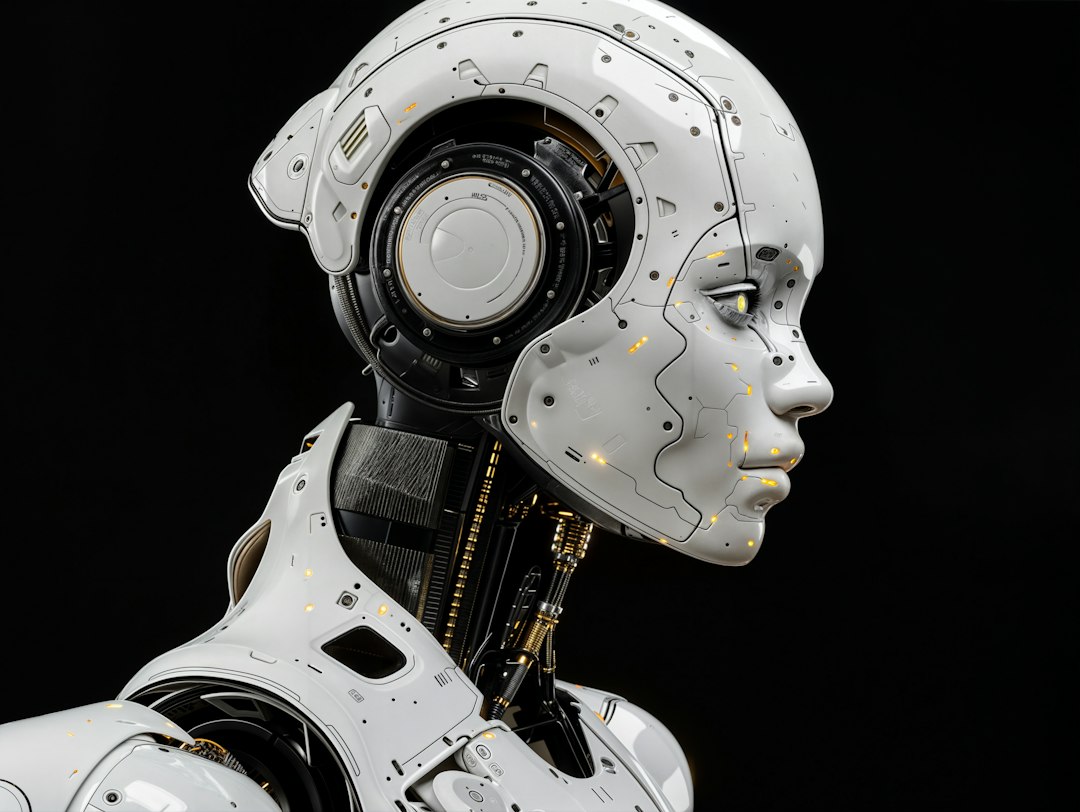
Real-time digital humans do not need a newly generated frame for every moment. In many conversations, users mainly need believable continuity: the character should listen, speak, react and transition naturally.
Think in conversational states
A practical system can represent behavior as warm idle, listening, speaking, positive reaction, concern and transition. Several short variants per state reduce obvious repetition.
Why state compression works
Human conversation contains long periods of low visual novelty. During listening, subtle eye movement and occasional nods can be enough. During speech, lip synchronization matters more than a constantly changing scene.
This helps meet the latency budgets described in Real-Time Digital Human Latency.
Generate only moments that earn it
High-value moments
Personal greetings, outfit requests, scene changes and emotionally important responses may justify fresh generation.
Routine conversation
Reusable motion states can handle most turns with lower compute and near-zero generation delay.
Synchronize visual and dialogue state
A shared state layer should translate conversation meaning into constrained visual actions, making behavior testable and preventing extreme reactions to ambiguous text.
Measure presence per unit cost
Track engaged video minutes, repetition complaints, lip-sync mismatch, reaction latency and compute cost per engaged minute.
Bottom line
A compact library of well-designed states plus selective generation can deliver presence, speed and sustainable economics without generating everything live.