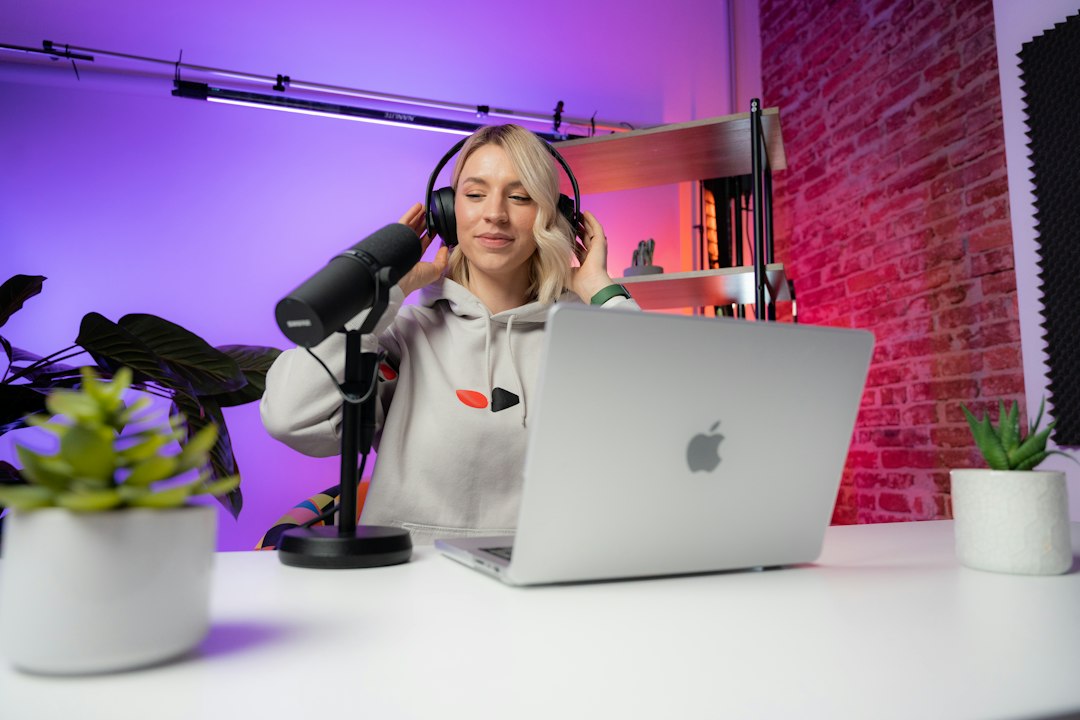
A creator can own a memorable visual identity without owning every photograph depicting that identity. Digital personas make this distinction operational: a face, pose or promotional still may pass through several owners, editors and distribution agreements before becoming training or interaction material. The safe route is to treat provenance and consent as separate verifiable requirements.
Separate identity authorization from image copyright
A creator can approve a digital persona concept while lacking the right to sublicense a photographer’s commercial image. A model release, the copyright licence, permission to generate derivatives and permission to distribute interactive outputs answer different questions. Build a rights matrix per asset with the creator, photographer, agency, jurisdiction, territory, permitted media, duration and allowed transformations. Obtain affirmative proof rather than relying on a social-media download. For a real-person clone, confirm the depicted person’s informed authorization for the intended likeness use. For every field, store the instrument, signature date, expiration rule and a responsible reviewer. An asset with an unknown owner does not become authorised merely because a public profile displays it.
Use C2PA as evidence, not as an ownership certificate
The Coalition for Content Provenance and Authenticity’s technical specification 2.2, released in May 2025, provides a structure for signed media manifests and assertions about creation and editing. A valid credential can help a publisher detect tampering and inspect an asserted chain of changes. It cannot by itself prove that a specific creator had authority to license training, that a photograph is accurate, or that every person in it consented. Conversely, images without credentials should not automatically be labelled fraudulent; cameras, editing tools and platforms vary in support. Record the validation tool version, signature result and missing-credential state without promoting a technical indicator into a legal conclusion.
Design an asset-level consent receipt
A defensible receipt connects an image identifier to the creator’s approved purpose, derivative limits and withdrawal route. Suggested fields include SHA-256 digest, original supplier, rights holder, adult identity verification where appropriate, permitted crop or style changes, allowed territories, commercial uses and valid dates. Store the source file privately and publish only the minimum attribution or disclosure required. Use separate checkboxes for still-image marketing and interactive digital-persona generation; permission for one should not silently imply the other. Where training and generated output retention differ, explain both timelines. A later update to these rules should produce a new receipt, not overwrite the old acceptance record without an audit trail.
Describe the synthetic identity accurately
A mainstream AI social app can invite people to chat, send messages, exchange media and interact with real-time digital characters while still being clear that a represented persona is AI-mediated. Disclosures should appear before a material interaction, not only at the bottom of a terms page. The US FTC’s June 2023 update to endorsement guidance explicitly addresses virtual influencers and deceptive endorsement practices. A promotional likeness must not imply that the human creator personally wrote every automated reply, used a product, or endorsed an advertisement. Identify who controls the persona, how sponsorship is marked and where people can reach a human team. That clarity supports long-term creator trust rather than weakening the product’s experience.
Make withdrawal a measurable operational process
Revocation is complicated when a photo already appears in a thumbnail, model input, cache, creator profile, advertisement and saved conversation. A withdrawal request should immediately block new uses and queue a versioned cleanup across the systems the platform controls. The action log should show which copies were removed, which retained records are legally necessary, and which downstream materials require manual assessment. Do not promise to retroactively erase every derivative on third-party services when technical control is absent. A useful metric is the fraction of reachable placements removed within the promised service window. Test this metric with a dummy creator and several deliberately duplicated but traceable copies.
Run a red-team approval test before public launch
Create a test set with six asset situations: fully creator-owned material; licensed photographer image; stock photograph with an incompatible derivative licence; expired approval; two-person photograph; and image with a valid provenance credential but no demonstrable likeness permission. Ask the onboarding process to classify each and preserve its reasoning. A good system should block or route ambiguous cases to human review instead of silently accepting them. Measure false acceptance, time to resolution, metadata completeness and creator comprehension. The NIST Generative AI Profile, published on 26 July 2024, supports documenting risk across the system lifecycle rather than relying on a one-time content filter. Repeat the assessment after model, policy or distribution changes.
A practical creator onboarding decision
Before a creator’s first AI persona goes live, give them a one-page rights inventory and two concrete examples of allowed and prohibited uses. The workflow should require an explicit digital identity statement, an asset licence check, a retention choice, a route to update permissions and a review of how advertising disclosures appear. When an asset cannot be cleared, offer to capture newly authorised images rather than encouraging a workaround. Evaluate conversion along with confidence: counting only the number of creators who click Agree hides later disputes. A smaller set of well-documented digital identities may create more sustainable creator revenue than an unverified mass-upload strategy. The core business asset is permission that remains understandable and enforceable as the persona grows.
Sources
- C2PA Technical Specification 2.2, May 2025
- FTC Updated Endorsement Guides, June 2023
- NIST Generative AI Profile, 26 July 2024
Original editorial analysis, 19 November 2026. Worked examples are illustrative; verify terms for the actual product and jurisdiction.