An AI digital twin may speak several languages while representing one consenting creator. That does not mean every translated sentence, pronunciation or cultural reference should be treated as a new fact about the person. For a mainstream AI social app, multilingual convenience must be separated from identity management and user choice. This creator-focused checklist draws on W3C internationalization guidance for language tags and Unicode CLDR documentation. It proposes product acceptance tests for persona continuity rather than asserting that one translation system already solves every problem.
Define what may change and what must remain stable
Before adding languages, write two contracts. The presentation contract controls localized interface labels, captions, greetings and the user’s choice of text or voice language. The identity contract controls the creator’s authorized name, biography, protected attributes, scope of imitation and claims the system may make on the creator’s behalf. A translation model can produce elegant wording that subtly invents a credential or turns a hypothetical statement into a personal endorsement. Treat those changes as identity errors, not harmless stylistic preferences. Store a canonical source fact with an owner, approval date and permitted public uses, then attach localized versions as reviewable representations. The model should not infer a new identity attribute from the language being spoken or from a user’s country setting. For example, choosing Japanese for the conversation does not make the creator a Japanese resident. This separation protects both the fan’s expectations and the creator’s control over their digital representation.
Choose language identifiers deliberately
The W3C internationalization guide recommends using a language tag no more specific than the use case requires. Begin with primary language identifiers such as en, ja and vi, and add regional or script subtags only when they distinguish behavior that matters. Unicode CLDR describes locale identifiers and their relationships to BCP 47 conventions. In application architecture, store a user’s preferred chat language separately from the voice model’s available speaking styles, the content author’s original language and the language of any incoming photo caption. These values need not be identical. A creator may publish an English introduction, a Japanese follower may read a localized display, and the actual creator authorization document may remain in Chinese. Test fallback behavior rather than writing every unavailable locale as a silent English response. The selected locale should be visible, changeable and preserved across sessions when the user chooses to save it.
Protect names, pronouns and creator permissions
Proper names are unusually fragile in automated translation. A person’s preferred romanization may differ from a straightforward machine transliteration, and some names should never be translated. Maintain an approved name pronunciation and display-name dictionary with language-specific overrides. Give the creator an editable review screen for each public language, and preserve a history of changes rather than overwriting the canonical text. Pronouns and relationship terms require equally careful handling: polite forms that are culturally normal in one language may imply romantic intimacy or authority in another. A character should not claim a relationship with a follower merely because a model chose a warmer translation. For a digital twin built from a creator’s authorized photographs or voice, display the fact that the user is interacting with an AI representation, not a live human response. Language localization must not hide, weaken or mistranslate that essential disclosure.
Test memory across a switch in language
Long-term memory adds a distinct risk. A user may explain a preference in Vietnamese, later ask a question in English and then return to Japanese subtitles. The system should preserve the user’s meaning without manufacturing multiple inconsistent facts. Construct test conversations with a stable preference, a correction, an explicit deletion request and a sensitive piece of information that the user refuses to save. Switch language after each step and compare the recalled meaning with the original consent state. A phrase such as “do not remember this” must have the same practical effect regardless of localized wording. Keep the memory’s original input, any translated display and the basis of user authorization distinguishable in the backend. Do not insert a machine-translated paraphrase into permanent memory without applying the app’s consent policy. If a model cannot resolve the meaning confidently, ask for confirmation instead of treating ambiguity as permission.
Evaluate voice and real-time video independently
Text quality, voice quality and lip-sync behavior need separate acceptance criteria. For text, test factual equivalence, tone and whether the AI disclosure remains clear. For generated audio, test pronunciation of names, abbreviations and mixed-language sentences; track whether voice likeness permission covers that form of generation. For real-time video, assess subtitle timing and whether a language switch causes the app to misrepresent which identity is speaking. Do not use a single average translation score as proof that a digital twin remains faithful to the creator. Invite reviewers who understand the target language and contextual norms, and use difficult counterexamples rather than only friendly promotional messages. A failure should be attributable to translation, memory, audio synthesis, subtitle timing or persona policy. This separation allows an engineering team to fix the right layer without changing the creator’s approved biography.
Make a transparent creator launch checklist
A minimum multilingual launch record should include the canonical persona facts, creator permission scope, approved display names, supported language tags, fallback language, last review date and a set of failed-case examples. Then perform a cross-language regression suite: onboarding, AI identity disclosure, paid feature explanation, memory correction, account deletion, live voice errors and requests the system must refuse. Record whether the audience sees the same substantive policy in every locale. Where a translation is under review, show a clear limitation instead of passing the result off as a certified human-approved statement. Monitor reports from users and creators, and make it possible to correct one language without silently modifying all others. In products such as Tuikor AI—positioned as a mainstream AI social app featuring digital personas, text, voice and real-time video—the long-term goal is consistent creator identity plus meaningful user control, not mechanically identical wording in every language.
Sources
- W3C Internationalization, Choosing a language tag, maintained guidance, accessed 19 November 2026.
- Unicode Consortium, Unicode Technical Standard #35: CLDR Core, maintained specification, accessed 19 November 2026.
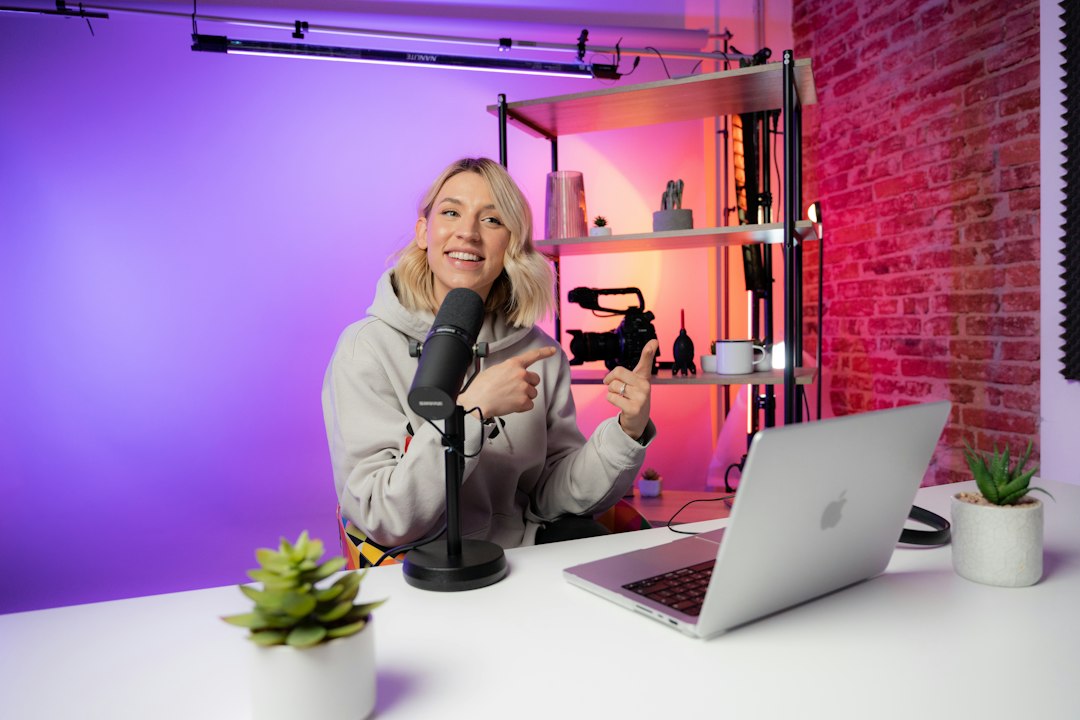
Featured photograph: Videodeck / Unsplash, editorial illustration.