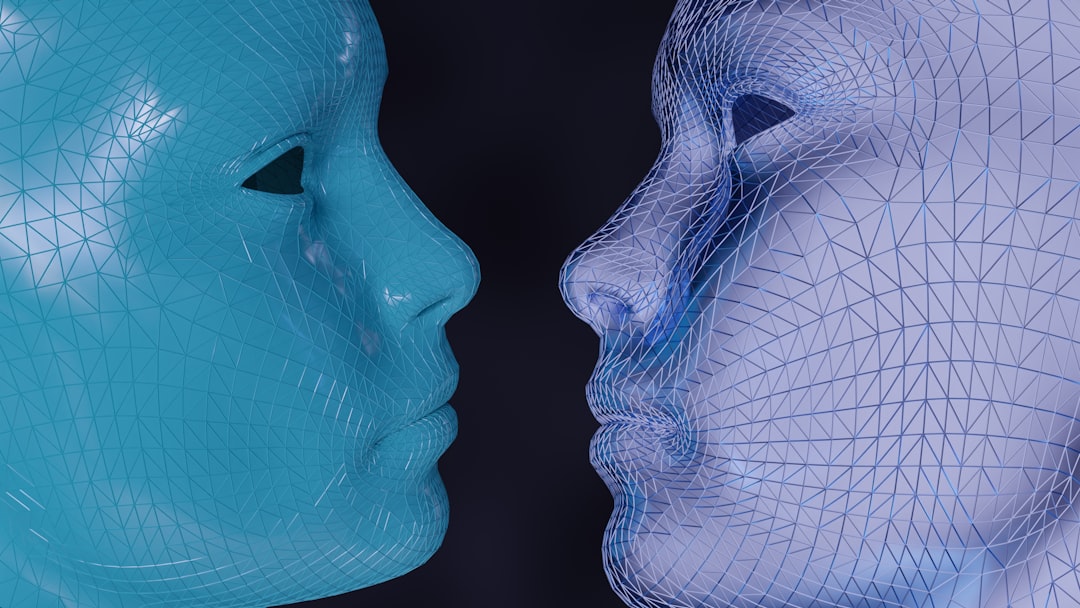
Generating a realistic AI face is becoming easier. Maintaining a believable digital identity across hundreds of interactions is much harder. A digital human may speak in text, send voice, appear in images and video, remember previous conversations and adapt to different users. If those layers contradict each other, visual realism cannot save the experience.
An avatar is an interface; identity is a system
An avatar answers the question, what does this character look like? Digital identity answers a much larger set of questions: who is this character, how does it speak, what does it know, what does it remember, what are its boundaries and how should it behave across different situations?
This distinction is why a visually simple character can sometimes feel more coherent than a photorealistic one.
Visual consistency is only the first layer
Face, hairstyle, age presentation, clothing style and overall aesthetic should remain recognizable. Generative image systems can introduce drift, so production pipelines need references and constraints that preserve important identity features.
But perfect visual similarity is not always the goal. What matters is that the user recognizes the same identity from one interaction to the next.
Language creates behavioral identity
Vocabulary, sentence length, humor, warmth, directness and recurring interests all contribute to personality. A digital human that changes speaking style every few messages feels less like a person and more like an interchangeable model.
Persona design should therefore specify behavioral traits, not only a biography.
Voice should reinforce the same personality
When voice is added, pacing, energy and emotional delivery become part of identity. A playful text personality paired with a flat or mismatched voice can create cognitive dissonance. Voice generation should be treated as another expression of the same persona.
Memory creates identity through time
Identity is not only what a character says now; it is also what it carries forward. Memory allows an AI to reference shared history and maintain continuity. That continuity can make the relationship feel cumulative rather than episodic.
See our guide to long-term AI memory for a deeper explanation.
Multimodal systems need one source of truth
Text, voice, image and video pipelines may use different models, but the user should experience one character. The product therefore needs a shared identity layer that informs each modality: persona rules, appearance references, relationship context and relevant memories.
Our overview of multimodal AI social explains why combining formats is more difficult than simply offering them side by side.
Boundaries are part of identity
A coherent personality also knows what it will not do. Content rules, relationship boundaries and creator permissions should not feel like random interruptions. They should be integrated into the character and platform design.
For creator-based digital humans, authorization is fundamental. The creator should control the materials and identity used to build the experience.
Personalization should not cause identity drift
An AI can adapt to a user’s preferences without becoming a completely different character. The useful mental model is a stable personality having a personalized relationship. The character stays recognizable while the interaction becomes more relevant.
Read our guide to AI personalization for this balance in more detail.
A practical consistency checklist
- Does the character look recognizable across generated media?
- Does its language have a stable style?
- Does voice match the intended personality?
- Do memories support rather than contradict the persona?
- Do text, images and video reflect the same relationship context?
- Are boundaries and permissions clearly defined?
Where Tuikor fits
Tuikor AI is built around persistent AI personalities rather than isolated generated assets. Text, images, video-style interaction, memory and relationship progression are intended to reinforce one identity over time.
Explore digital personalities at Tuikor AI.
The durable advantage
Visual generation will continue to improve and become more accessible. The harder problem is orchestration: keeping a digital identity coherent across models, modalities and time. That consistency is what can turn an AI avatar from a novelty into a character people recognize and return to.