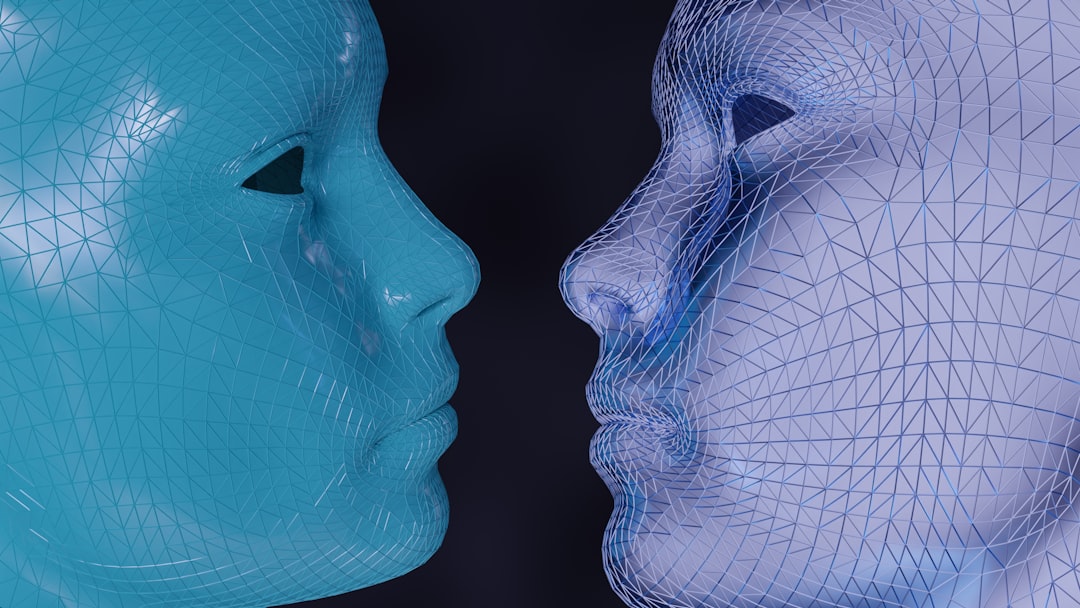
An AI avatar becomes a digital identity when users can recognize the same character across conversations, media and time. A single attractive image is easy to generate. Preserving one coherent person through text, voice, outfits, scenes, expressions and model upgrades is much harder. Consistency is therefore a system property. It depends on stable identity references, clear personality rules, coordinated generation and careful versioning.
Start with a canonical identity
The product needs a small set of approved references that define the person: face, age appearance, body proportions, hairstyle and other signature features. New media should be generated against that reference rather than reconstructing the identity from a loose text description each time.
Separate identity from styling. Users may want new outfits, poses and environments without changing who the character is. Stable traits belong in one layer; scene, clothing, camera and expression belong in another. This separation allows creative variation while protecting recognizability.
Personality is part of digital identity
A character can look consistent and still feel different if tone, humor or boundaries change. Core communication style and values should therefore be versioned alongside visual references. Users recognize behavior just as strongly as appearance.
Voice needs continuity too. A cloned voice may drift in pitch, pacing or emotion across languages and model versions. Teams should keep approved reference clips and test both speaker similarity and behavioral delivery so voice remains aligned with personality.
Memory should personalize without changing the person
User memory can affect topics, recurring activities and preferred media, but it should not overwrite the character’s core identity. Personalization should create a unique relationship with the same character, not create a new personality for every user.
Video exposes small inconsistencies quickly. Motion adds gaze, gesture, lip sync and timing. A face that looks stable in still images may feel different once it begins to move. Video evaluation should therefore include idle, listening, speaking, emotion and transitions instead of only visual similarity frame by frame.
Use versioning for model and identity updates
When the underlying image, voice or language model changes, the identity package should have a version. This makes it possible to compare outputs before rollout, trace which configuration created an asset and roll back changes that break continuity.
Evaluate cross-modal transitions. The strongest tests move between channels: text to voice, voice to generated image, image to video and back to conversation. Our multimodal identity consistency guide explores this problem in more detail.
Measure recognizability with users
Automated similarity metrics are helpful, but user perception is the real target. Track regeneration, complaints that the character “looks different,” voice mismatch and creator rejection. Qualitative review often catches identity drift before broad metrics do.
Bottom line. A digital human feels consistent when visual identity, voice, personality, memory and motion all point to the same persistent person. The technical advantage is not producing one perfect asset; it is preserving recognizability while the experience continues to change around it.
Coordinate generation through shared conversational state
Voice, facial expression, motion and dialogue should not infer the situation independently. A shared state can capture who is speaking, current activity, emotional confidence and relationship context so every modality responds to the same underlying interpretation.
This reduces contradictions and makes behavior easier to test because the system has one explicit source for the current interaction state.
Measure perceived presence instead of raw generation volume
Useful metrics include reaction latency, lip-sync mismatch, repeated-animation fatigue, identity drift, video abandonment and cost per engaged minute. These measures show whether richer generation actually improves the experience.
The product should spend compute where users can perceive the difference rather than assuming that more generated media automatically means more presence.
Why consistency matters more as fidelity improves
The richer the media becomes, the easier it is for users to notice small contradictions. A voice that does not match the written tone, a face that changes slightly between scenes or a reaction that arrives too late can undermine an otherwise impressive system. Higher fidelity raises the standard for coordination.
This is why teams should test the full sequence rather than isolated outputs. The same character should remain recognizable from text to voice to image to video, and a model upgrade should be considered successful only when quality improves without weakening continuity.
Consistency should survive ordinary variation
The real test is not whether one reference image looks accurate, but whether the same identity survives routine changes in pose, lighting, clothing, language and scene. A durable digital identity remains recognizable even when the surrounding presentation changes substantially.