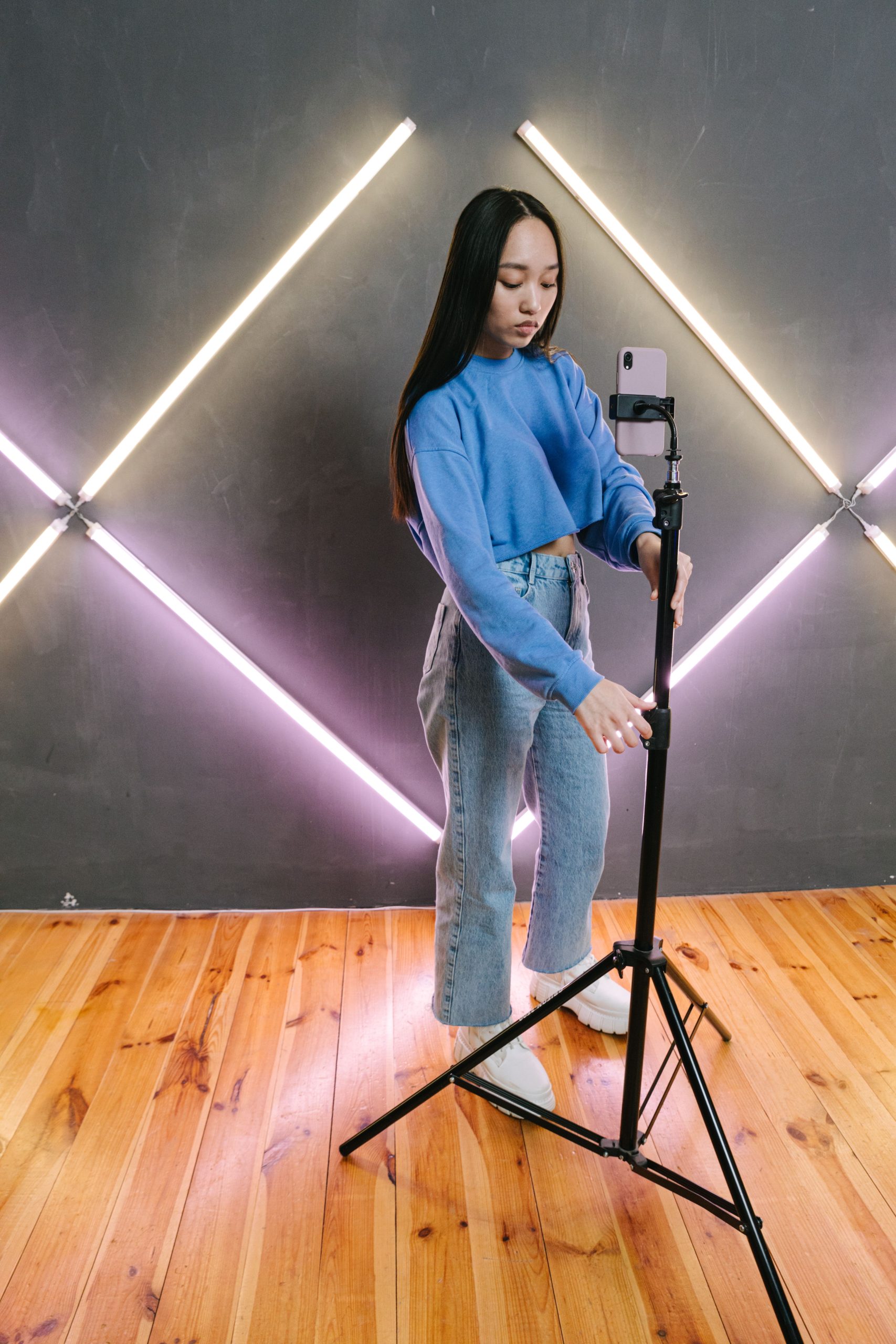
The creator economy has always had a scale problem.
A creator can publish one video to millions of people, but cannot personally talk to millions of people. Social platforms scale distribution extremely well. They do not scale one-to-one interaction.
AI digital twins are beginning to challenge that limitation.
Instead of using AI only to edit videos, write captions or generate thumbnails, creators can now build interactive versions of themselves that answer questions, remember fans, speak in a recognizable voice and appear through a digital face.
That changes the creator economy from a model built around audience reach toward one that can also monetize interactive identity.
From broadcast media to interactive identity
The traditional creator funnel looks familiar:
Follow → Watch → Like → Comment → Subscribe → Buy.
Even when a creator has a strong community, most interaction is still one-to-many. Comments are public, livestreams are crowded and direct messages do not scale.
An AI digital twin introduces a different loop:
Discover → Meet → Talk → Return → Build history → Purchase or subscribe.
The important shift is that the creator’s identity becomes something a fan can interact with directly, not only consume.
Why this is happening now
Several technologies have matured at the same time:
- Language models can maintain more coherent personalities.
- Long-term memory systems can preserve user-specific context.
- Speech models can generate more natural voices.
- Image and video models can preserve identity more consistently.
- Real-time avatar systems can lip-sync and animate during calls.
- Multimodal models can understand images, voice and camera input.
Each capability existed separately before. What is new is their convergence into a persistent interactive identity.
AI is already changing the creator economy
Academic research is beginning to treat AI as more than a production tool. A 2026 paper in Customer Needs and Solutions examines AI’s role in the creator economy through the lens of customer engagement, including how different levels of AI involvement can affect trust and audience relationships. Read the research.
At the same time, industry coverage has highlighted a growing divide around AI clones and creator identity. Digiday reported in 2026 on creators licensing digital twins for fan interaction and brand work, while others faced unauthorized AI replicas.
That contrast points to the central issue: AI identity is valuable, but only when control and consent are clear.
What an authorized creator digital twin can do
A creator digital twin can potentially extend several parts of a creator business.
1. Fan interaction
The twin can answer common questions, talk with fans and create a sense of personal access without requiring the creator to be online every hour.
2. Personalized content
Instead of sending the same post to everyone, an interactive AI identity can respond differently based on the user, conversation history or request.
3. Global availability
A creator may sleep in Tokyo while fans in Los Angeles are active. An AI layer can maintain interaction across time zones.
4. Language expansion
Voice and translation systems can help a creator interact with audiences beyond the languages they personally speak fluently.
5. Commerce and membership
Interactive personalities can become part of premium fan experiences, memberships, digital goods, paid messages or creator-specific subscriptions.
The business model changes too
The classic creator economy is heavily dependent on three revenue streams: advertising, sponsorship and commerce.
Interactive AI adds a fourth category: identity-as-a-service.
A fan may pay not just for content, but for access to an interactive version of the creator. That can include personalized conversations, custom images, video responses, role-based experiences or other creator-approved interactions.
This is closer to software economics than traditional media economics. Once the system is built, one creator identity can potentially serve many users at the same time.
But authenticity becomes more important, not less
AI does not remove the need for authenticity. It raises the stakes.
CreatorIQ’s 2026 State of Creators research highlighted a growing authenticity gap in the broader creator market, with creators balancing brand pressure against audience trust. CreatorIQ’s report is a useful reminder that reach alone does not create a durable creator business.
For AI twins, the trust questions are even more direct:
- Did the creator authorize the twin?
- Does the fan know they are speaking with AI?
- Who controls the creator’s likeness and voice?
- Can the creator update or remove the twin?
- What happens to conversation data?
The winning model is unlikely to be “clone everyone and automate everything.” It is more likely to be creator-controlled AI identity with transparent disclosure.
Human creator and AI twin should have different roles
A useful digital twin does not need to pretend that it literally is the creator at every moment.
The human creator remains responsible for the original identity, judgment, relationships and high-value moments. The AI twin handles scale: routine interaction, discovery, continuity and personalized engagement.
In other words:
The creator creates trust. The twin scales access.
That division is healthier than treating AI as a replacement for the person behind the brand.
Where Tuikor fits
Tuikor’s creator model is based on the idea that a digital personality can be a new social layer around a real person.
Creators can use AI to extend their presence into persistent one-to-one interaction, while the underlying identity remains tied to the creator rather than becoming an anonymous platform-owned character.
We think that distinction will matter increasingly as AI personas become easier to create.
For a practical starting point, read How Creators Can Build a Digital Twin and Engage Fans 24/7. For the underlying terminology, see AI Avatar vs Digital Human vs Digital Twin.
The next creator platform may be built around conversation
Social media taught the internet to follow people at scale. The next phase may teach it to interact with identities at scale.
That does not mean feeds disappear. It means creators gain another layer: a persistent, interactive version of their brand that can talk, remember and respond.
If that model works, the creator economy will no longer be defined only by how many people can watch a creator.
It will also be defined by how many people can have a meaningful interaction with that creator’s authorized digital identity.