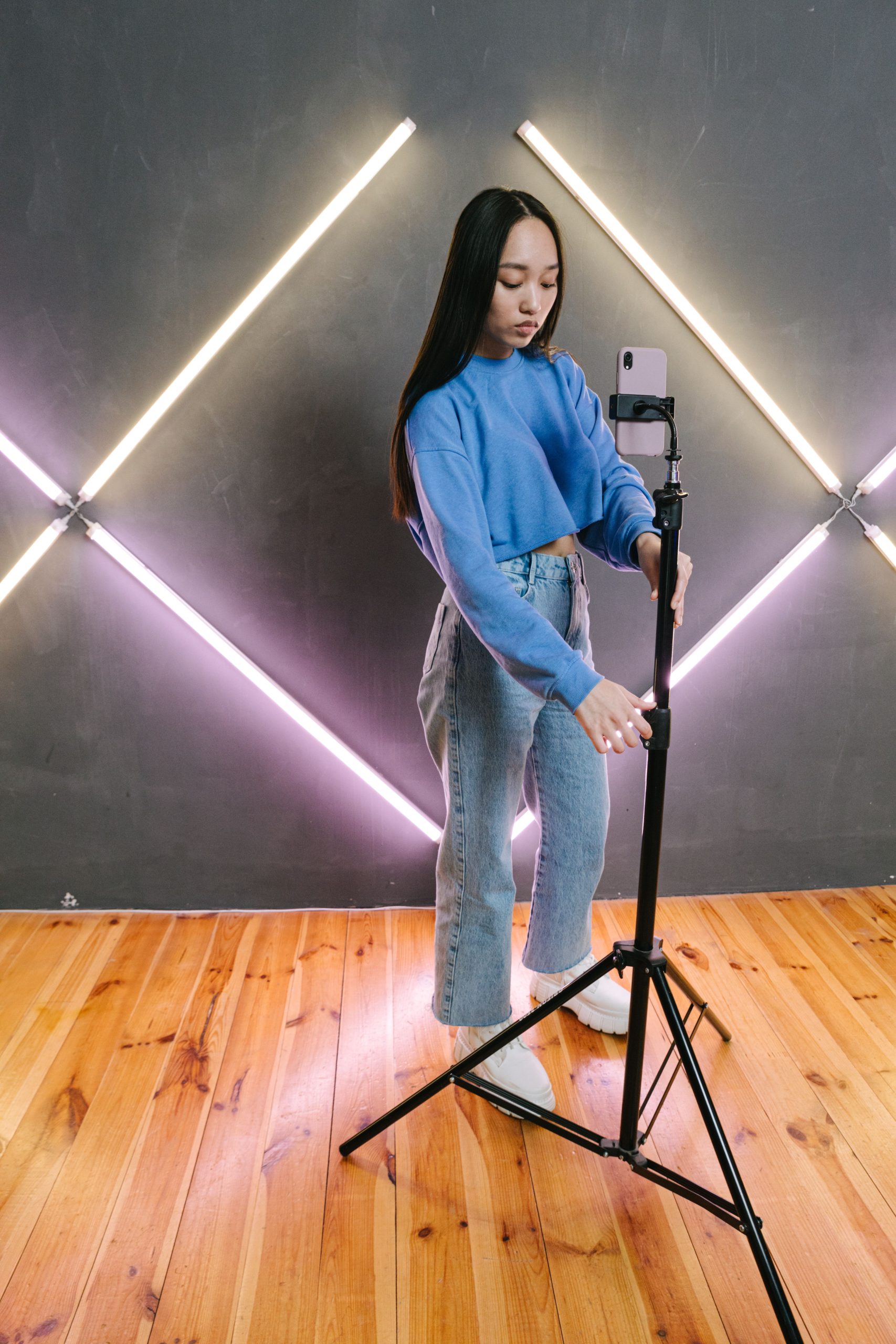
Creators have always had one hard limit: time. A successful creator can reach millions of people with one post, but can personally reply to only a tiny fraction of them.
AI changes that constraint. A well-designed digital twin can give fans a persistent, interactive version of a creator to talk with when the creator is offline—without pretending that automation is the same thing as a live human conversation.
The opportunity is not “replace the creator.” It is scale the creator’s presence.
What is a creator digital twin?
A creator digital twin is an AI-powered interactive identity linked to a real creator. It may use the creator’s approved appearance, voice, personality guidelines, source materials and conversational boundaries to create a consistent digital version that fans can interact with.
Depending on the product, the twin may communicate through text, voice, images, short video or an interactive digital-human interface.
The important word is authorized. A real creator should control how their identity is represented, what source material is used and what the AI is allowed to say or do.
Why creators are interested in digital twins
Traditional social media scales distribution. Digital twins can scale interaction.
That creates several new possibilities:
- fans can ask questions one-to-one;
- the creator’s personality can remain available across time zones;
- the AI can guide new followers through a creator’s content universe;
- fans can receive personalized visual or conversational experiences;
- the creator can create new premium interaction products without being online continuously.
This is why digital twins sit at the intersection of creator economy, digital humans and AI social.
Step 1: define the job of the digital twin
The worst creator AI is a generic chatbot wearing someone’s face. Before choosing a model or avatar, define what the twin is supposed to do.
Useful creator-twin roles include:
- Fan host: welcomes fans, remembers them and keeps conversation going.
- Content guide: recommends videos, posts, songs, products or stories from the creator’s catalog.
- Interactive character: turns the creator’s persona into an ongoing story or roleplay experience.
- Expert twin: answers questions based on a creator’s approved knowledge base.
- VIP layer: provides more personalized experiences to paying members.
A focused twin usually performs better than one instructed to “be me and answer anything.”
Step 2: build a clear personality system
A digital twin needs more than a biography. It needs behavioral rules.
A useful personality brief should define:
- tone of voice;
- humor style;
- favorite topics;
- topics it should avoid;
- how direct, playful or formal it should be;
- how it responds to praise, criticism or flirting;
- what it says when it does not know something;
- how clearly it discloses that it is AI.
This is where many projects fail. The visual avatar looks like the creator, but the conversation sounds like a generic assistant. Fans notice that mismatch immediately.
Step 3: choose what the AI is allowed to know
A creator twin can be grounded in approved material such as:
- public interviews;
- video transcripts;
- FAQs;
- product or music catalogs;
- creator-written notes;
- selected social posts;
- fictional lore or character backstory.
Do not assume that “more data” is always better. The better question is whether the material is accurate, useful and authorized.
Private messages, sensitive documents and third-party copyrighted content should not be pulled into a twin casually.
Step 4: design memory carefully
Memory is one of the features that makes a creator twin feel personal. If the AI remembers that a fan is learning Japanese, attended a livestream last month or prefers a particular song, future conversations can feel more continuous.
But memory also creates responsibility. Fans should know what is being remembered, sensitive information should be handled cautiously, and the product should provide appropriate privacy controls.
Good memory is selective. It should improve continuity, not collect everything forever.
Step 5: add the right media layer
Text is the easiest place to start, but creator identity is often visual. That makes multimodal interaction especially important.
Possible layers include:
- custom voice;
- AI selfies;
- short generated video;
- interactive avatar video;
- photo sharing;
- video replies tied to specific fan requests.
For creators whose audience already follows them through TikTok, Instagram, YouTube or livestreaming, a visual twin usually feels more natural than a text-only bot.
Step 6: give fans something to do
The best digital twin is not just “available to chat.” It has interaction loops.
Examples:
- daily mini-stories that continue across conversations;
- behind-the-scenes Q&A;
- fan challenges;
- interactive roleplay scenarios;
- personalized recommendations;
- virtual meet-and-greet moments;
- unlockable photos, videos or story chapters;
- relationship or affinity levels tied to continued interaction.
The goal is to give fans a reason to return, not merely a reason to try it once.
Step 7: be explicit about identity and consent
Creator twins are powerful precisely because they feel personal. That means disclosure matters.
Fans should be able to understand when they are interacting with the AI version of a creator rather than the creator in real time. The creator should also be able to revoke, update or restrict the use of their likeness and voice.
A sustainable creator-AI ecosystem requires clear ownership. Without it, digital twins quickly become an impersonation problem instead of a creator tool.
How can a creator digital twin make money?
There are several potential models:
- Subscription: fans pay for ongoing access.
- Usage credits: premium voice, image or video interactions consume credits.
- Digital goods: fans purchase personalized media, story unlocks or special experiences.
- Membership tiers: standard followers get basic interaction while VIP fans receive richer access.
- Commerce: the twin recommends or explains the creator’s own products when relevant.
- Revenue share: the creator earns a percentage of spending generated through the twin.
The business model should follow the audience. A gaming creator, musician, model, educator and lifestyle influencer may each need a different interaction design.
What should creators measure?
Do not judge a digital twin only by chat volume. Better metrics include:
- percentage of fans who start a conversation;
- return rate after 1, 7 and 30 days;
- average meaningful conversation sessions;
- content or product discovery driven by the twin;
- conversion to paid interaction;
- fan satisfaction and complaint rate;
- how often users ask for the real creator versus enjoying the AI experience itself.
Those metrics tell you whether the twin is creating genuine fan value rather than novelty traffic.
Where Tuikor fits
Tuikor is designed around creator-linked AI personalities and interactive digital humans. A creator can build a digital identity from visual material, define its personality and let fans interact through multimodal experiences including video, text, images and personalized content.
The larger idea is simple: creators should be able to create, own and grow their AI personality rather than handing their identity to an anonymous chatbot.
For fans, that creates a new experience between following a creator and meeting them in person: persistent one-to-one interaction with an authorized digital identity.
FAQ
Is a creator digital twin the same as a deepfake?
No. A creator digital twin should be authorized, disclosed and controlled by the creator. A deepfake often refers to synthetic media that imitates a real person without the same persistent product or consent framework.
Does a creator need to be technical?
No. The best creator platforms should abstract away model training and avatar technology so creators can focus on personality, content and fan experience.
Can a digital twin replace a creator?
That should not be the goal. A digital twin is better understood as a scalable interaction layer around the creator’s real brand and community.
What should a creator prepare first?
Start with a clear use case, personality brief, a small set of approved source material, representative photos or video, and explicit boundaries for what the AI should and should not do.
Creators interested in building an interactive digital identity can learn more at Tuikor AI.