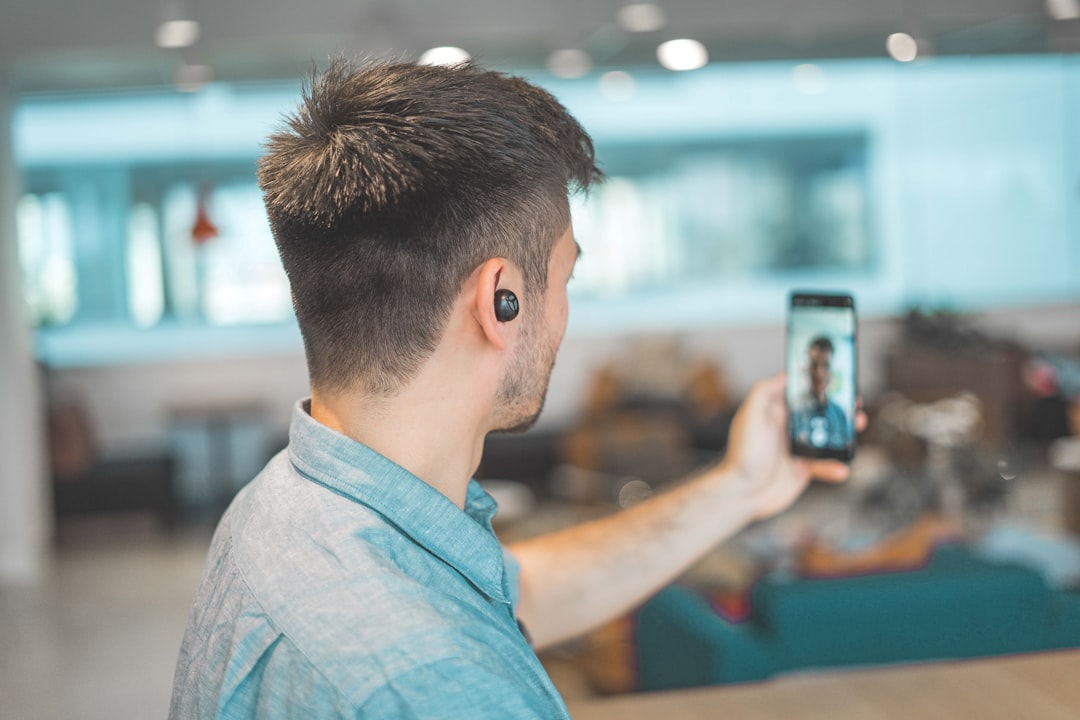
How to design low-cost AI video companion state machines for idle, listening, speaking and emotional reactions without generating every frame in real time. As AI social products become persistent and multimodal, this design choice affects user trust, operating cost and product quality.
Start with the user outcome
The right architecture begins with what the user should experience: continuity without repetition, personalization without loss of control, and a character that remains coherent across sessions.
Separate durable state from temporary context
Not every conversational detail deserves permanent storage. Teams should distinguish the current turn, recent session context, durable preferences and structured identity data. This reduces noise and makes later corrections easier.
Define ownership and control
Users and creators should understand which parts of the experience they can inspect, edit or revoke. Clear controls are especially important when voice, likeness, memory or monetization are involved.
Design for multimodal consistency
Text, voice, images and video should reflect the same underlying identity. A system that is technically impressive but inconsistent across modalities quickly feels artificial.
Measure quality with behavior
Useful metrics include repeat usage, corrections, regeneration, abandonment and successful progression through the intended experience. Raw generation volume is not enough.
Keep cost proportional to value
Use expensive generation where users notice the difference. Lower-cost retrieval, cached assets, state machines or smaller models can handle routine work while premium computation is reserved for high-value moments.
Build recovery into the product
Models and pipelines fail. The experience needs graceful fallbacks, correction paths and versioned state so a bad turn does not permanently damage the relationship.
Connect this layer to the broader Tuikor architecture
This topic builds on our related Tuikor guide, where we cover the adjacent product layer in more detail. Internal connections between memory, personality, video and creator economics are what turn isolated AI features into a durable social product.
A practical implementation checklist
Define the primary user intent, decide which state is temporary or durable, document permissions, instrument the key failure modes, establish latency and cost budgets, test across modalities, and provide a reversible user control wherever the system stores or acts on personal information.
The durable advantage is orchestration
Individual models will continue to improve and commoditize. Product differentiation increasingly comes from how identity, memory, media, safety and creator economics are orchestrated into one coherent experience. That is the layer teams should make explicit and measurable.