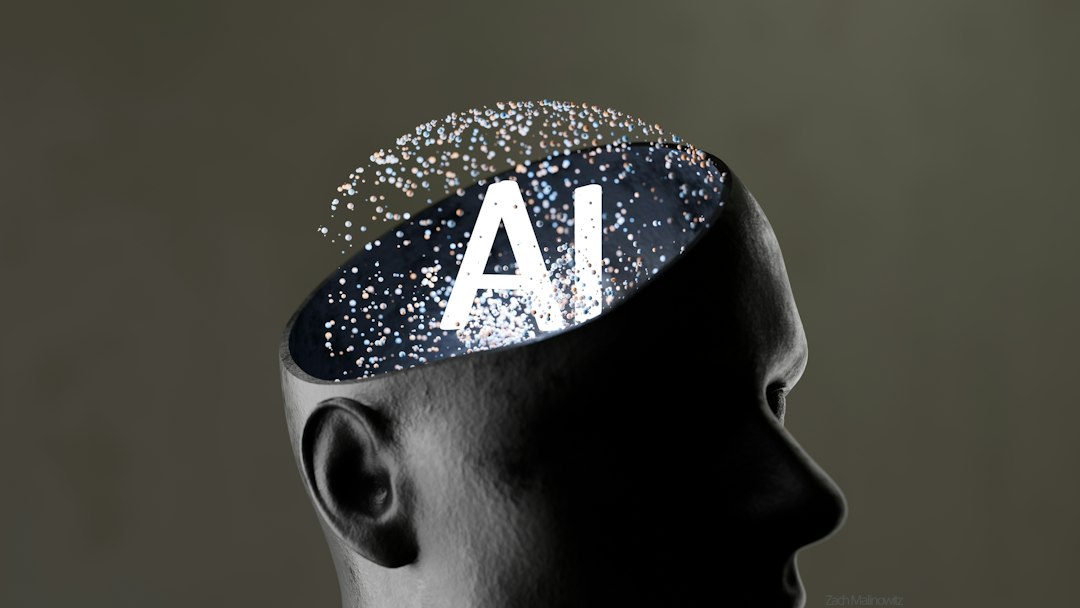
A realistic voice can make an AI character feel immediately more present. But voice alone does not create a convincing identity. The moment a character speaks in ways that contradict its established personality, forgets important context or behaves differently across media, the illusion breaks.
The useful distinction is simple: AI voice is an interface layer. AI personality is the behavioral system behind it.
What AI voice contributes
Voice carries pacing, emphasis, warmth and emotion in ways text cannot. It can make a digital human easier to recognize and reduce the friction of typing. For creator AI, an approved voice can also strengthen continuity between familiar content and interactive experiences.
Yet even excellent speech synthesis answers only how a character sounds. It does not determine what the character believes, remembers or chooses to say.
What makes an AI personality
An AI personality combines identity instructions, conversational style, preferences, memory, behavioral boundaries and relationship context. These elements shape responses before they are rendered as text or speech.
This is why a generic assistant with a celebrity-like voice would still feel generic. Recognition may come from the sound, but authenticity comes from consistent behavior.
Consistency matters across every modality
Modern AI social experiences can move among text, voice, images and video. Users expect the same identity to survive each transition. A playful text persona should not suddenly become formal in voice. A character with an established visual style should not appear unrelated in generated images.
Our guide to multimodal AI social explains why these channels need to operate as one experience rather than separate features.
Memory gives voice continuity
Voice becomes much more meaningful when the conversation itself has continuity. Remembering a preferred nickname, a recurring interest or the context of an earlier discussion can make spoken interaction feel connected rather than episodic.
That is why long-term memory is often more important to sustained engagement than another improvement in audio realism.
Creator AI requires permission
Voice is also an identity asset. A creator-based AI should use voice materials with clear authorization and within an agreed scope. The creator should know how the voice is used and how the surrounding personality is configured.
Responsible creator AI is not about copying surface traits. It is about building an approved digital experience around a defined identity.
Voice should match the situation
A strong system can also adapt delivery without changing identity. The same personality might speak more energetically during a celebration and more calmly during a reflective conversation. Variation in delivery can feel natural when the underlying character remains stable.
This is similar to human communication: tone changes with context, while identity persists.
Why personality is the durable layer
Speech technology will continue to improve and realistic voices will become increasingly accessible. As that happens, voice quality alone becomes less differentiating. The harder problem is building a character users can recognize after dozens of conversations.
That requires a persistent personality system: stable behavior, useful memory, multimodal consistency and sensible boundaries.
How Tuikor connects the layers
Tuikor AI focuses on persistent AI personalities that can interact across multiple media. Voice is valuable, but it works best when it belongs to a coherent identity supported by memory, visual presence and relationship progression.
Explore interactive AI personalities at Tuikor AI.
Final takeaway
A voice can make an AI recognizable in seconds. A personality gives users a reason to keep talking. The strongest digital humans will combine both: a distinctive way of sounding and a consistent way of being.