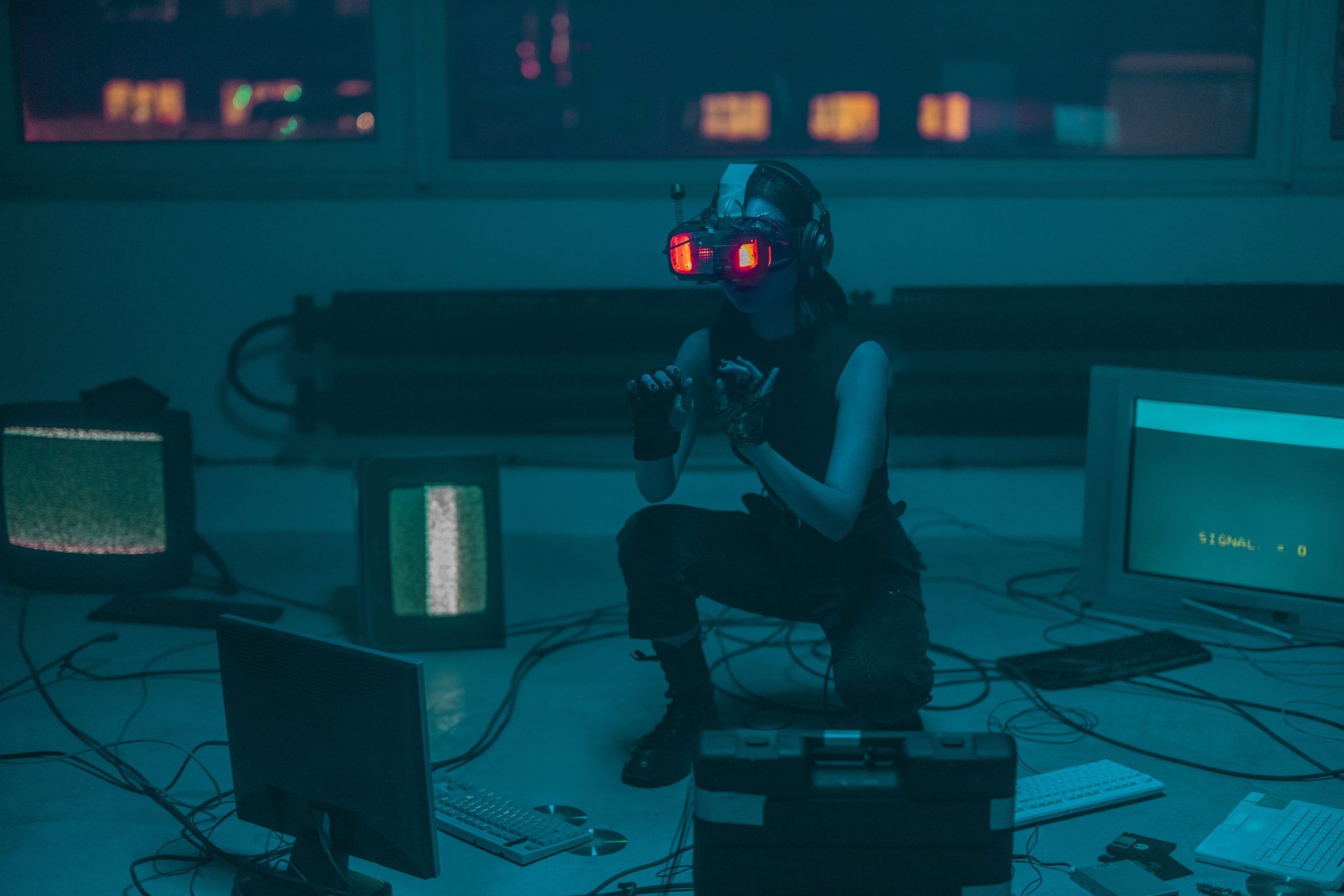
Character.AI helped make personality-driven AI chat mainstream. But in 2026, many users are looking for something beyond a text-first character experience: live avatars, video interaction, voice calls, selfies, persistent memory and creator-style digital identities.
This guide focuses on Character.AI alternatives that push further into visual or multimodal interaction. It is not a ranking of “best overall.” The right choice depends on whether you care most about roleplay, emotional continuity, video, creator identity or community.
Disclosure: This article is published by Tuikor, and Tuikor is one of the products discussed below. We have tried to describe competing products from their current public documentation and official product pages.
Quick comparison
| Platform | Best for | Notable visual / interaction features |
|---|---|---|
| Tuikor | AI social and creator digital twins | Interactive digital humans, multimodal chat, creator-focused identity |
| Kindroid | Deep customization + live avatar calls | Live avatar video calls, selfies, video selfies, custom avatars |
| Replika | Long-term AI friendship | Voice calls, selfies, customizable avatar, AR |
| Nomi | Memory and relationship continuity | Voice calls, selfies, video generation, image/video sharing |
| Talkie | Character discovery and community | Voice chat, character creation, image generation |
| 2wai | Avatar-first social interaction | Digital twins and real-time conversations with avatar identities |
1. Tuikor — for AI social and creator digital twins
Tuikor is designed around a different starting point from a traditional AI character app. Instead of treating the AI personality only as a fictional chatbot, the product focuses on interactive digital humans and creator digital twins.
The idea is to let users move from following a personality to interacting with that personality through text, images, video and persistent memory. For creators, the AI layer can become an extension of a real identity rather than a standalone fictional character.
Best for: users who want a more social, visual experience, and creators who want to turn their identity into an interactive digital presence.
For the broader category definition, see What Is AI Social?
2. Kindroid — for highly customized AI companions and live avatar video
Kindroid has moved aggressively into visual interaction. Its current help center documents Live Avatar Video Calls, custom avatars, image selfies and video selfies. During live avatar calls, the avatar can lip-sync and gesture in real time.
Kindroid also offers detailed personality customization and memory systems, making it attractive to users who want to build a specific long-running companion rather than browse a large feed of public characters.
Its visual tools go beyond static profile art: users can create selfies, video selfies and multiple avatar variations. The platform’s official 2026 documentation describes both standard and premium live video modes. Kindroid video-call documentation.
Best for: deep one-to-one customization, visual identity and real-time avatar calling.
3. Replika — for established AI friendship with calls and AR
Replika remains one of the most recognizable AI companion products. Its current product pages emphasize memory, customizable appearance, calls and selfies.
Replika is less about browsing thousands of characters and more about developing one ongoing relationship with a persistent AI friend. Voice calls are a core part of the experience, and the product also supports augmented-reality interaction with the avatar. Replika’s AR guide explains how users can place and talk with their Replika in a real-world environment.
Best for: users who prefer a single persistent AI relationship, voice interaction and a polished avatar experience.
4. Nomi — for memory, voice and relationship continuity
Nomi differentiates itself with an emphasis on memory and emotionally continuous conversations. Its public materials highlight long-term memory, voice chat, group conversations and real-time selfies.
Nomi also supports image and video features. Its current product pages describe voice calls, the ability to share images and videos with a Nomi, and generated videos of the AI personality. Nomi’s official AI Friend page positions memory and emotional continuity as central to the experience.
Best for: users who care about remembered context and a relationship that develops over time.
5. Talkie — for community, discovery and character creation
Talkie is closer to Character.AI in its community-driven structure. Users can browse a large catalog of personalities, create their own characters and interact through text and voice.
Its current site also promotes image generation and configurable voices. The emphasis is on discovery and creative character building rather than a single persistent companion or a real-person digital twin.
Talkie’s official pages describe real-time voice interaction and tools for defining personality, backstory, appearance and voice. See Talkie’s voice-chat overview.
Best for: users who enjoy browsing, roleplay, community-created characters and voice-enabled character chat.
6. 2wai — for avatar-first social experiences
2wai positions itself around “HoloAvatars” and the idea that AI should have a human-facing visual layer. Its public product page describes real-time conversations with creators, characters and user-created digital twins.
The product is interesting because it sits closer to the emerging AI social category than to conventional text-first companion apps: the avatar identity is central to the experience. 2wai’s website describes the product as a social app for avatars and digital twins.
Best for: users curious about avatar-first social interaction and digital-twin experiences.
What about Character.AI itself?
Character.AI is also becoming more visual. In 2026, its help center introduced AI-generated introduction videos that animate a character’s still avatar for profile pages. That is an important signal: even established character-chat platforms are moving toward richer media. Character.AI’s introduction-video guide.
The broader trend is therefore not “text chat versus video.” It is a shift from a single chat box toward multimodal personalities that can speak, appear, remember and interact across different media.
Which Character.AI alternative should you choose?
- Choose Tuikor if you are most interested in AI social, digital humans and creator-style identity.
- Choose Kindroid if live avatar video and deep companion customization are priorities.
- Choose Replika if you want an established long-term AI friend with calls and AR.
- Choose Nomi if memory and ongoing relationship continuity matter most.
- Choose Talkie if you want a large character ecosystem and creative discovery.
- Choose 2wai if you want an avatar-first social or digital-twin concept.
The bigger trend: AI personalities are becoming visual
The most important change in 2026 is not which app has the longest feature list. It is that AI personalities are moving from text-only identities to persistent multimodal identities.
Voice, live avatars, generated selfies, video, memory and real-person digital twins are converging. That convergence is also why the line between an AI companion and AI social is becoming more important.
For users, the next generation of AI interaction will increasingly be something you can see, hear and build a history with—not simply a chatbot you type to.