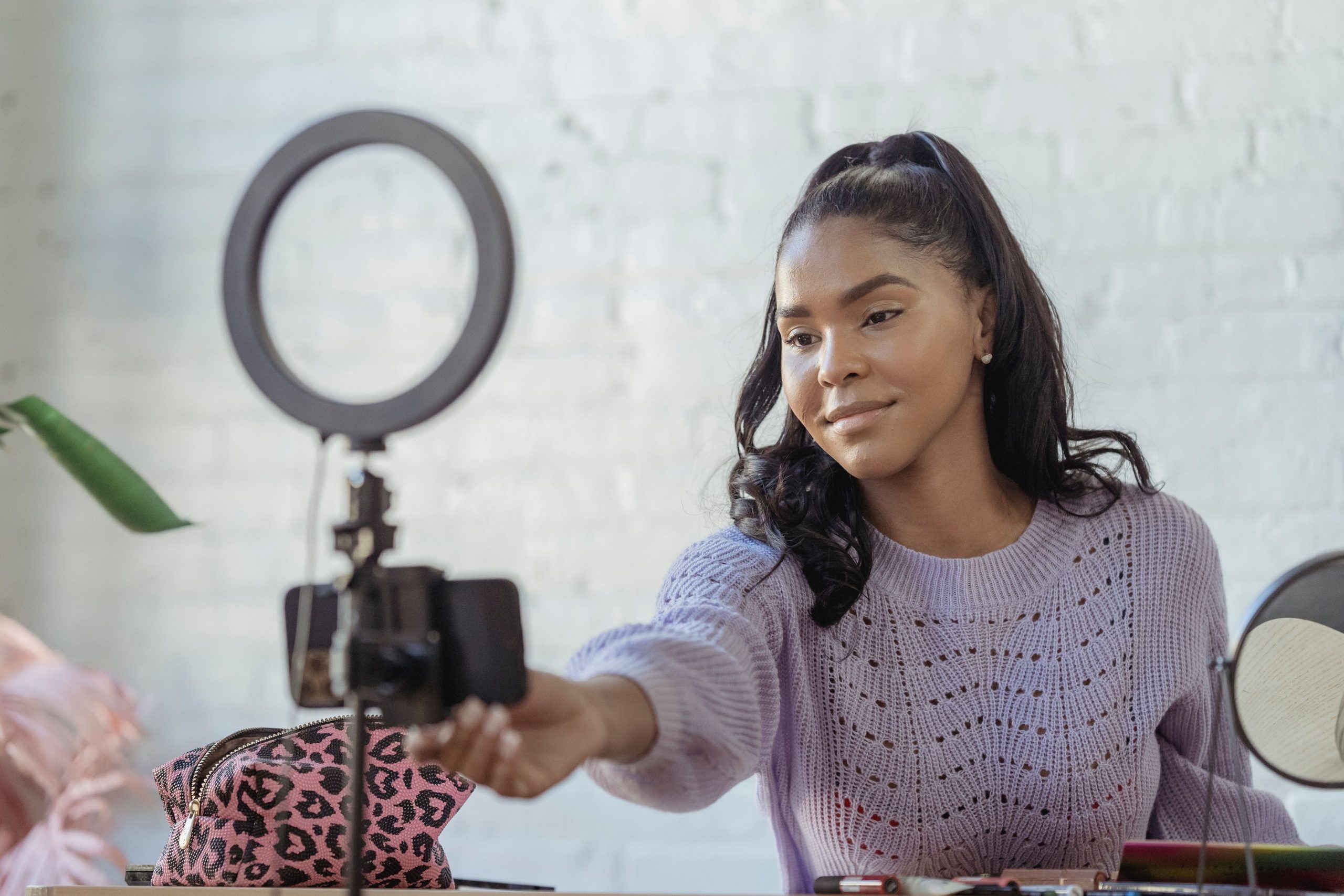
A creator digital twin is not just a generated face. It can combine likeness, voice, conversational behavior, personal information and ongoing fan interaction. That makes consent a continuing governance process rather than a one-time checkbox.
Consent should be specific
A useful agreement separates rights to photographs, video, voice recordings, name, biography, generated media and conversational persona. Permission to use one asset should not automatically imply permission to use everything else.
Define the permitted experience
Creators should understand where the digital twin appears, which languages it supports, whether it can generate images or video, what topics it should avoid and whether users are clearly told they are interacting with AI. These product boundaries are part of consent.
Voice needs its own controls
Voice cloning can make a digital identity immediately recognizable. It can also create misuse risk. Platforms should restrict export, maintain access controls and prevent generated voice from being repurposed outside the approved experience.
Behavior needs governance too
A digital twin may look and sound accurate while saying things the creator would never endorse. Persona instructions, safety rules and evaluation sets should therefore be treated as part of the identity asset. Updates should be versioned so material changes are traceable.
Training data and reference data are different
Creators should know whether supplied media is used only as reference for their own persona or also used to train broader models. The distinction affects expectations around ownership, deletion and downstream reuse.
Approval workflows reduce surprises
For high-risk changes, platforms can use approval checkpoints: initial persona, voice model, public launch and major capability expansion. Routine improvements do not need creator approval every time, but changes that alter representation should be visible.
Deletion must be operational
A meaningful deletion process should cover public access, stored source assets, generated derivatives where practical and credentials that allow future generation. Contracts should also define what happens to historical user conversations and accounting records.
Auditability builds trust
Platforms should be able to answer who uploaded source assets, who changed persona settings and when the digital twin was published or disabled. Audit logs are especially important when agencies or teams manage a creator account.
For a broader launch checklist, see Creator AI Licensing and our guide to launching a creator AI persona.
Conclusion
Consent for digital twins should travel with the product as it evolves. Specific permissions, clear behavior boundaries, voice controls, transparent data use and workable deletion rights protect creators while giving platforms a reliable foundation for long-term AI identity products.