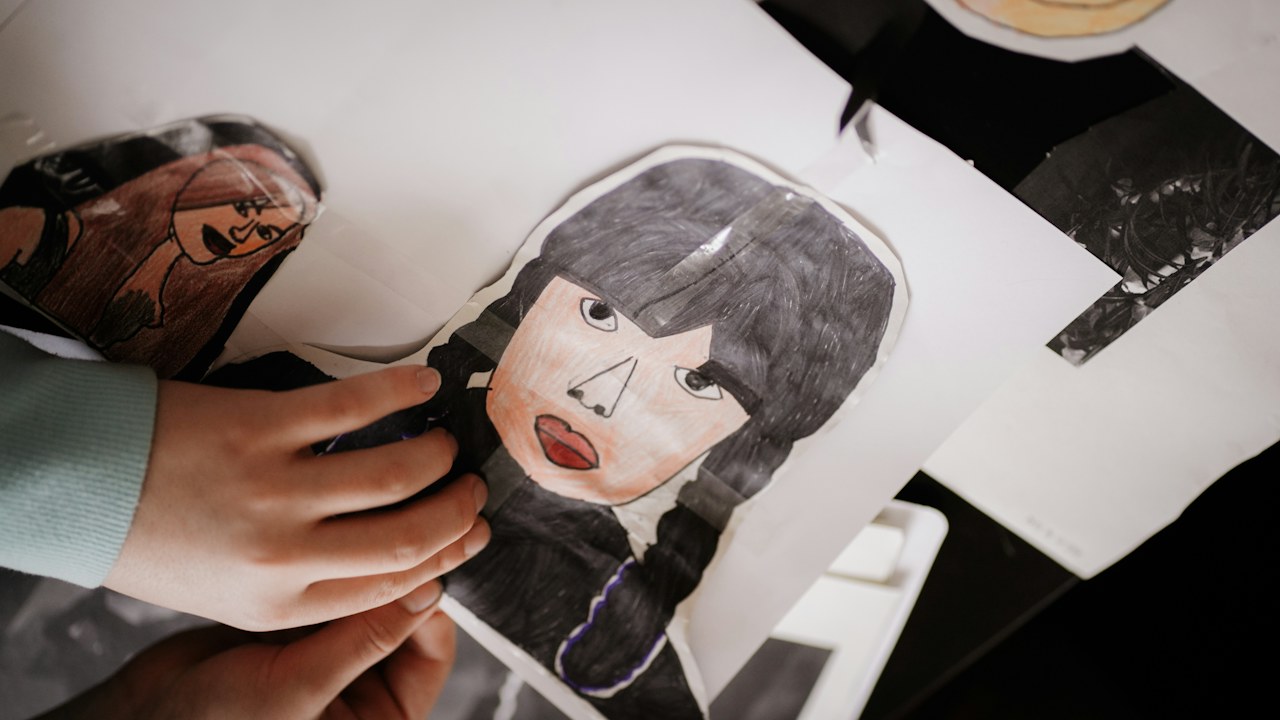
Fan-generated AI scenes can make creator digital twins more expressive: a supporter imagines a café, changes an outfit, or contributes a background for a virtual encounter. The temptation is to treat every uploaded image as free content for the entire platform. That approach creates avoidable disputes because generated media may combine separate likeness, copyright and privacy interests. This article proposes an original rights-and-review workflow for an authorized creator ecosystem. It uses the US Copyright Office AI reports (2024–2025), C2PA Content Credentials 2.2 (May 2025) and the European Commission’s 2026 Article 50 transparency guidance as primary references.
Treat the scene as a compound licensed asset
A fan-generated scene is rarely just a photograph. It can contain the fan’s face, the creator’s licensed likeness, branded objects, a recognizable private location, and a newly generated background. These components have different rights holders and different permissible uses. A platform should create an asset record listing the uploader, source images, consent statements, intended audience, permitted territory, training permission, promotional permission, and relevant expiry dates. The US Copyright Office’s AI initiative describes separate questions around digital replicas and the copyrightability of AI-generated outputs; it does not imply that all AI outputs are automatically free to reuse. A rights ledger should therefore avoid assigning universal ownership by default. A request to appear inside a private chat cannot be silently converted into authorization for an advertising campaign.
Distinguish sharing, generation and model training
Three buttons that appear similar to a user can have profoundly different consequences. ‘Use this image in my chat’ grants narrow viewing and transformation rights for the current conversation. ‘Share this scene with the creator community’ exposes it to other fans. ‘Allow this contribution to improve future models’ permits an additional, potentially difficult-to-reverse data use. Separate these choices with clear language and independent consent receipts. The European Commission’s AI transparency guidance under Article 50, applying from August 2026, requires appropriate disclosure of synthetic interactions and content in relevant circumstances, but does not replace the separate need to obtain likeness or copyright permissions. Capture the consent version that was shown, the user action, the timestamp, the selected asset and the exact allowed purpose. Do not treat a lack of objections as a positive training license.
Record provenance without overstating what it proves
The C2PA Content Credentials technical specification, version 2.2 published in May 2025, defines signed provenance data for digital media. This is useful when a photo moves through capture, cropping, AI editing and export. However, a cryptographically valid provenance record can show who signed a statement, not guarantee that the signer owned every depicted person’s rights. Combine provenance with explicit licenses and private approval evidence. Maintain a parent-child graph of transformations, keeping a secure identifier for each input and output; avoid publishing personal contact information inside portable media metadata. When a download or social platform removes provenance information, your internal record should still explain the edit lineage. Test common exports and screenshots to identify where provenance disappears rather than assuming all distribution channels preserve it.
Establish a review sequence that protects creators and contributors
Moderation should first identify prohibited material and obvious impersonation, then check whether the uploader has authorized the person’s likeness, and finally assess whether the scene is appropriate for the specific creator persona. A harmless image can still infringe a brand agreement or reveal an individual’s personal address. Build a short exception queue for uncertain cases, not an automatic rejection of everything novel. The human reviewer should see the candidate asset, a restricted rights summary, and an audit trail without receiving unrestricted access to the fan’s relationship memory. The creator needs a separate control to approve public community display even after the fan consents. Reject or quarantine uploads with incompatible rights, then give a meaningful appeal or correction process. Operational metrics should include turnaround time, false rejections and withdrawn approvals.
Design revocation for derivatives and caches
A meaningful delete action needs a known propagation map. A fan may revoke public sharing without needing to erase the copy privately visible in their own conversation; a creator may revoke use of their likeness for future generation while preserving existing legally permitted records. Model these as separate flags. Link each derived scene to its source licenses so that a restricted input triggers review of every downstream output that depends on it. Search indexes, thumbnail services, content delivery caches and social-share previews are easy places to miss. Maintain a queue of revocation events, record an acknowledgement time and report incomplete tasks instead of declaring instant deletion across the internet. Rights removal is an ongoing process, not a single database update. Where retention is legally required for dispute evidence, isolate the record from normal content serving and explain the exception.
Turn safe collaboration into an auditable creator workflow
For an early product, the minimum viable contribution loop can be surprisingly small: upload, preview, choose private or community use, confirm rights, complete automated and human review, then view a visible publish decision. Add collaboration credits only where the contributor agreed to attribution, and avoid exposing real names by default. Measure accepted scenes per hundred submissions, revision requests, copyright takedowns, creator response time and repeat contributor satisfaction. A commercial remix request should create a new approval event rather than inheriting unrestricted permission from a noncommercial upload. Review the rights ledger before enabling a new model, region or monetization channel. The long-term asset is not simply a gallery of fan images; it is a trusted system where people understand how their contributions change, who can see them and when they may withdraw approval.
The defensible principle is simple: a fan’s creative contribution should expand possibilities without silently expanding the platform’s license. Rights, identity, provenance and moderation must travel with the scene.
Sources
- US Copyright Office, Copyright and Artificial Intelligence reports, Parts 1 (31 July 2024) and 2 (29 January 2025)
- C2PA, Content Credentials Technical Specification v2.2, May 2025
- European Commission, transparency obligations under the AI Act Article 50, 2026 guidance