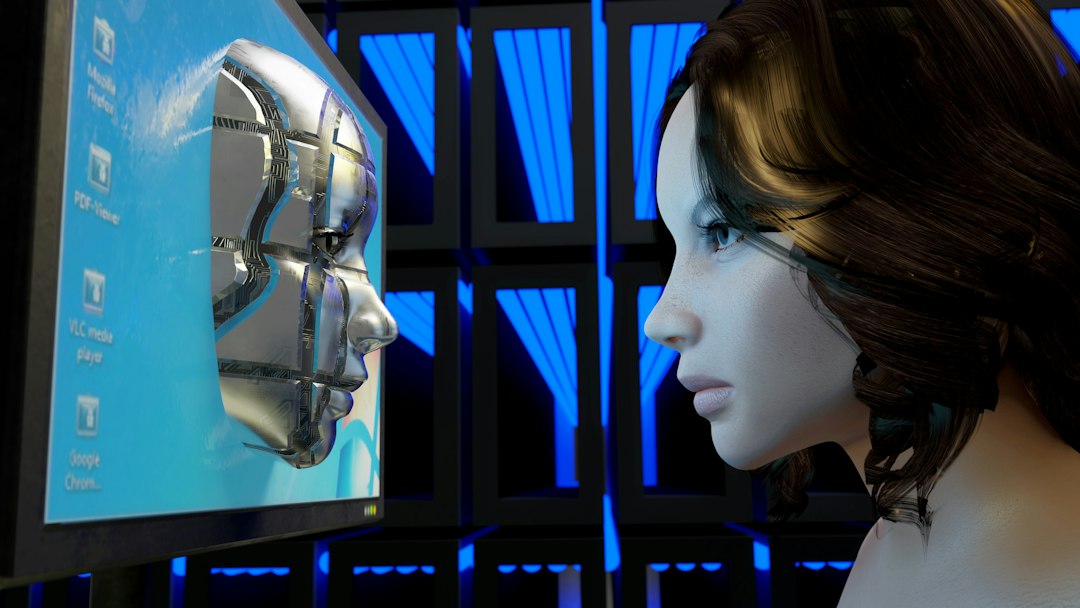
Creator AI involves more than permission to use a photograph. A digital twin can combine a person’s face, voice, name, biography, signature phrases, style, copyrighted content and behavioral traits into a persistent interactive identity. Each layer can carry different rights, commercial terms and expectations.
A practical digital-IP framework therefore needs to separate the underlying identity assets from the permissions granted to the platform and from the new media the system generates. One broad checkbox may be convenient during onboarding, but it is not a durable foundation for a business that expects the creator identity to appear across multiple products and markets.
Begin with a detailed rights inventory
The platform should record the assets that power the twin: likeness references, voice recordings, names and handles, trademarks, biographies, copyrighted media, persona descriptions and any third-party material.
For each asset, record who supplied it, who owns it, whether the creator is licensing it directly or through another party, and which uses are permitted. This prevents later distribution decisions from relying on assumptions that were never actually authorized.
The inventory also helps when something must be removed. If one voice sample or visual reference loses permission, the team can identify which generated assets or models depend on it.
Separate identity rights from generated outputs
The right to use a creator’s face or voice does not automatically answer who may commercialize every generated image, message or video. Agreements and product controls should define how outputs can be used by the platform, the creator and the end user.
For example, a fan may be allowed to download a personalized image for private use but not to resell it. A creator may permit the platform to use short generated clips for in-app promotion but require separate approval for paid advertising.
These distinctions should appear in product logic instead of existing only in legal text. Rights that cannot be enforced operationally are hard to rely on.
Persona and behavior are part of the identity experience
A digital twin is recognized not only by appearance but also by tone, boundaries, interests and recurring expressions. If those behavioral elements drift, the creator can feel misrepresented even when the face and voice are technically accurate.
Persona configuration should therefore be versioned and approved. Creators need a way to prohibit topics, claims or behaviors that conflict with their brand, and major changes should be reviewable before release.
This turns personality from an untracked prompt into a governed part of the digital identity.
Voice deserves its own permission layer
Synthetic voice can be especially sensitive because it can make statements feel more directly attributable to the creator. Permission for fan conversation should not automatically imply permission for advertising, political content or commercial endorsements.
Voice controls can specify approved languages, contexts, territories and whether generated speech may be exported or distributed outside the platform.
The same creator may allow text generation broadly while keeping voice use more restricted.
Cross-platform use needs portable authorization, not raw assets
As creator AI expands, the same digital identity may appear in companion apps, games, live commerce, social platforms and branded experiences. The platform needs a way to determine whether each deployment is legitimate and current.
A portable rights record can describe which modalities, markets and use cases are approved without requiring the creator’s private source assets to travel everywhere. The proof of authorization is what needs portability, not necessarily the raw training material.
This reduces duplication and makes revocation easier when the same identity appears in multiple places.
Versioning and revocation should be built in from the start
Creators change agencies, branding, commercial priorities and personal boundaries. Rights should therefore support expiration, territory rules, renewal and revocation.
Generated models and media should reference the permission version under which they were created. If a creator later disables one use case, the platform can distinguish between new generation that must stop and previously purchased content that may remain available under earlier terms.
Tuikor’s Digital Twin Consent Framework provides a related governance foundation for these controls.
Rights and economics should connect
If the creator authorizes an AI personality, the reporting layer should attribute eligible revenue and show how the creator share is calculated. Different revenue types may have different cost structures and different commercial permissions.
For example, subscription revenue, one-off personalized media and brand campaigns may each use a different split or approval flow. The creator should be able to see the connection between a licensed use and the earnings it generated.
Transparent reporting makes rights management easier to understand because the creator can evaluate both control and value.
User transparency protects the creator relationship
Users should know when they are interacting with an AI representation rather than the human creator. Verification badges, profile disclosure and clear product language can preserve trust without interrupting the experience.
Hiding the AI nature of the interaction may create short-term novelty, but it can damage the creator’s relationship with fans if the deception is discovered later. Authenticity is part of the creator’s IP value.
Bottom line
A durable creator digital-IP stack includes asset inventory, separate permissions by modality and use case, governed persona behavior, versioned consent, revocation, transparent economics and clear user disclosure. The moat is not paperwork alone. It is the operational system that lets a creator identity move across products while remaining controlled, consistent and economically traceable.