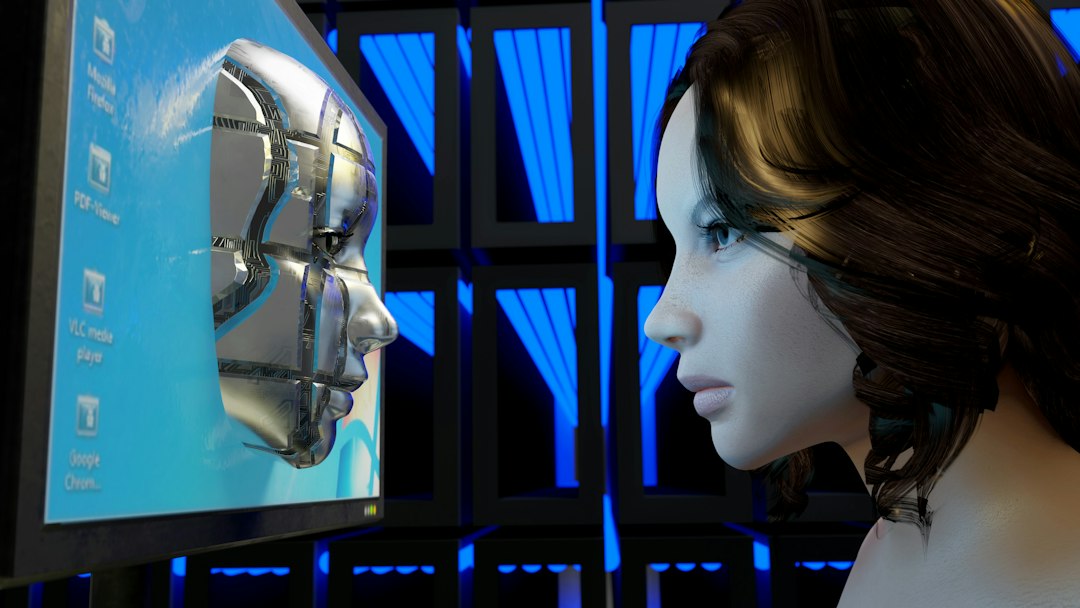
A practical rights framework for creator AI covering likeness, voice, persona, generated media, licensing, approvals, revocation and cross-platform digital IP.
Digital twins need more than a photo release
A creator AI can use a person’s face, voice, name, style, biography and behavioral traits. Each element can involve different rights and expectations. A robust onboarding process should therefore identify the assets being supplied, the uses being authorized and the outputs the system may generate. One broad checkbox is not a durable rights strategy.
Build a rights inventory
Start with likeness, voice recordings, names and handles, trademarks, copyrighted source content, persona descriptions and any third-party material. Record who supplied each asset and whether the creator owns it or is sublicensing it. The inventory becomes the foundation for later distribution and helps prevent a platform from assuming rights it never received.
Separate identity from generated outputs
The right to use a creator’s likeness does not automatically answer who can commercialize every AI-generated image or conversation. Agreements should define how generated outputs may be used by the platform, creator and user. They should also cover whether users can download, repost or commercially exploit generated media. Clear product controls should reflect those terms.
Behavior is part of the IP experience
A creator twin is recognized not only by appearance but by tone, interests, boundaries and recurring expressions. Persona configuration should be versioned and approved. Creators need a way to prohibit topics or behaviors that conflict with their brand. This turns personality design into a governed asset rather than an untracked prompt.
Cross-platform licensing
As creator AI expands, the same digital identity may appear in companion apps, games, live commerce and social experiences. A portable rights record can specify which platforms and modalities are authorized. The underlying private source assets do not need to be portable. What needs portability is proof that a deployment is legitimate and current.
Revocation and versioning
Creators change agencies, branding and boundaries. A rights stack needs expiration dates, territory rules and revocation procedures. New voice models or visual models should reference the license version under which they were produced. Tuikor’s digital twin consent framework provides a governance foundation for these controls.
Monetization alignment
Rights and economics should connect. If a creator authorizes an AI personality, the reporting system should attribute eligible revenue and show how the creator share is calculated. Different revenue types may carry different cost structures. Transparent reporting is more important than a complicated payout formula.
User transparency
Users should know when they are interacting with an AI representation rather than the human creator. Verification badges, profile disclosures and clear product language can preserve trust without interrupting the experience. For creator-led products, authenticity is an asset: hiding the AI nature of the interaction can damage the creator relationship.
The strategic value
A platform with strong digital-IP infrastructure can onboard creators faster, distribute them more safely and support more business models. The moat is not paperwork alone. It is the combination of rights clarity, identity consistency, creator economics and high-quality fan experiences. That stack becomes increasingly valuable as generative media makes imitation cheaper.
Practical takeaway
For product teams, the useful next step is to test this framework against real conversations and real user controls. A companion experience becomes durable when identity, memory, multimodal interaction and monetization reinforce one another rather than operating as separate features.