Creating an authorized digital twin can begin with a photo, an optional voice sample, and a personality description. That simplicity can obscure a more complicated rights problem: permission to synthesize a reply is not automatically permission to make advertisements, publish a clip, or let a collaborator reuse the voice. A permission receipt makes the agreement inspectable at the level of an asset and an action. This article proposes a product architecture for mainstream AI social and creator tools, using the NIST Privacy Framework launched January 16, 2020, FTC dark-pattern guidance from September 2022 and W3C web accessibility guidance. It does not assert that a receipt settles copyright ownership or every country’s publicity law; legal review is required for actual rights agreements.
Split the permission into assets, actions and audiences
The basic receipt should identify a protected source asset, a requested operation, the authorized audience and an expiration rule. A creator might permit a portrait to drive an AI social avatar for private one-to-one chats while refusing public marketing reuse. Another receipt might permit a specific short-video campaign but not a voice-cloning derivative. Make these differences explicit using a matrix: input photo, voice recording, synthesized output, transcript and promotional excerpt as rows; private chat, public profile, external advertisement, syndication and training use as columns. Avoid a single permanent checkbox for every purpose. The NIST Privacy Framework helps distinguish data processing risk from mere database security. Store the smallest amount of evidence necessary to explain a grant, and avoid retaining identity documents when a less sensitive ownership check is enough.
Capture a receipt users can actually understand
Present the grant in plain language before a creator enables a new capability. The confirmation should name the specific media, the parties allowed to use it, intended destinations and available withdrawal controls. A useful example is: “Use this voice sample to produce replies inside my creator AI personality; do not reuse it in paid advertisements.” Let the creator review the exact terms later without deciphering internal database flags. A copy of the permissions summary should be available in the account settings, and updates should produce a new version rather than silently modifying the old text. Treat this as a decision record, not a ceremonial legal wall. The FTC’s dark-patterns analysis suggests why default selections, button prominence and confusing reversals deserve scrutiny. Comprehension testing matters more than maximizing acceptance clicks.
Version every change instead of overwriting consent
A grant is a time-bound statement. Store receipt ID, asset reference or hash, creator account, requested capability, governing text version, grant time, locale and the user action that confirmed it. Avoid putting raw voice, private photos or full identity records in the audit log itself. When a creator changes the scope, append a new receipt that supersedes the previous one, with a clear effective time. An editor, campaign manager or affiliate should resolve permissions against the current active receipt, not a cached screenshot. Design an idempotent update endpoint so retries cannot accidentally create contradictory grants. Maintain a reconciliation report for outputs already distributed under older permission versions; changing the current flag cannot automatically retract every copy on third-party services. This is an engineering proposal and should be validated against the product’s specific legal agreements.
Make withdrawal a workflow with visible limits
A withdrawal request should immediately stop new processing covered by the withdrawn grant. Then classify existing copies: internal queued jobs, platform-hosted content, creator-approved public posts, externally syndicated clips and potentially irreversible user downloads. Notify the creator which items are controlled by the service and which require external requests. Do not claim an externally copied video was deleted simply because the source application removed its own object. Queue cancellation, cache expiry, contractor notifications and partner takedown receipts are distinct checkpoints. Privacy controls should allow users to correct mistakes without navigating a retention maze. Accessibility also matters: WCAG 2.2 provides testable principles for perceivable controls and error messages. Make withdrawal possible with a keyboard and screen reader, and provide a final readable summary of what changed and what remains outstanding.
Test collaborators and edge cases before launch
Add adversarial scenarios to the release checklist. A delegated social manager may edit a welcome message but should not receive broad permission to upload a new voice model. A campaign reviewer may see the proposed clip but should not download the underlying training sample. A creator might revoke one advertisement while leaving ordinary conversations active. A blocked or disabled account should not leave an orphaned authorization token capable of creating new promotional media. Record both the expected permission and the observed API result for each scenario. Include race tests between consent withdrawal and generation jobs already in progress, as well as retries after network failure. The goal is not a perfect theoretical consent graph; it is a verifiable boundary that fails closed when an operation has no active grant.
Measure clarity, not permission acceptance rate
A high opt-in rate is not evidence of informed consent. Ask creators to answer three questions after the dialog: who may reuse this asset, in which channels, and how can the grant be changed? Run a small usability study with contrasting wording and record wrong answers, not just time on screen. For operations, track unmatched outputs, revoked grants still accepted by APIs and unresolved third-party takedown requests. Report these as proposed metrics until actual tests exist; do not fabricate rates. Review whether a shorter receipt improves comprehension without withholding significant limitations. The result should be a mainstream creator experience in which digital humans support text, voice, live video and short-form content while creators retain meaningful, inspectable control over their authorized likeness and media.
Sources
- NIST — Privacy Framework 1.0 release (January 16, 2020)
- FTC — Bringing Dark Patterns to Light (September 2022)
- W3C — WCAG 2.2 (December 12, 2024)
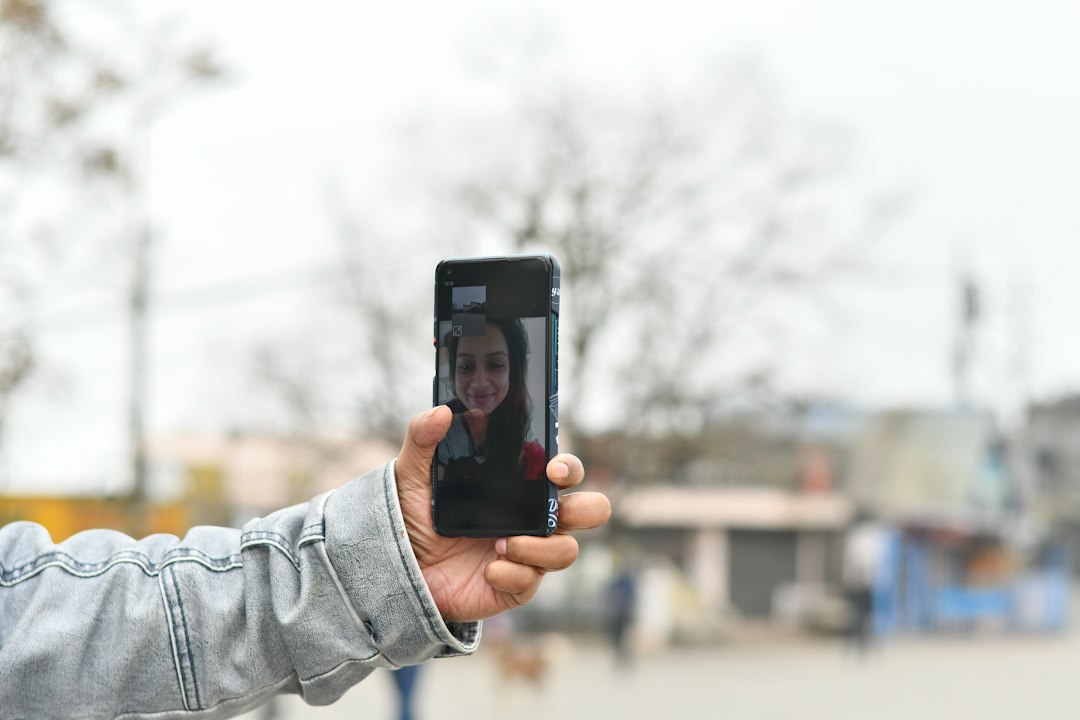
Editorial illustration: licensed Unsplash stock photography, not a screenshot of the product or research.