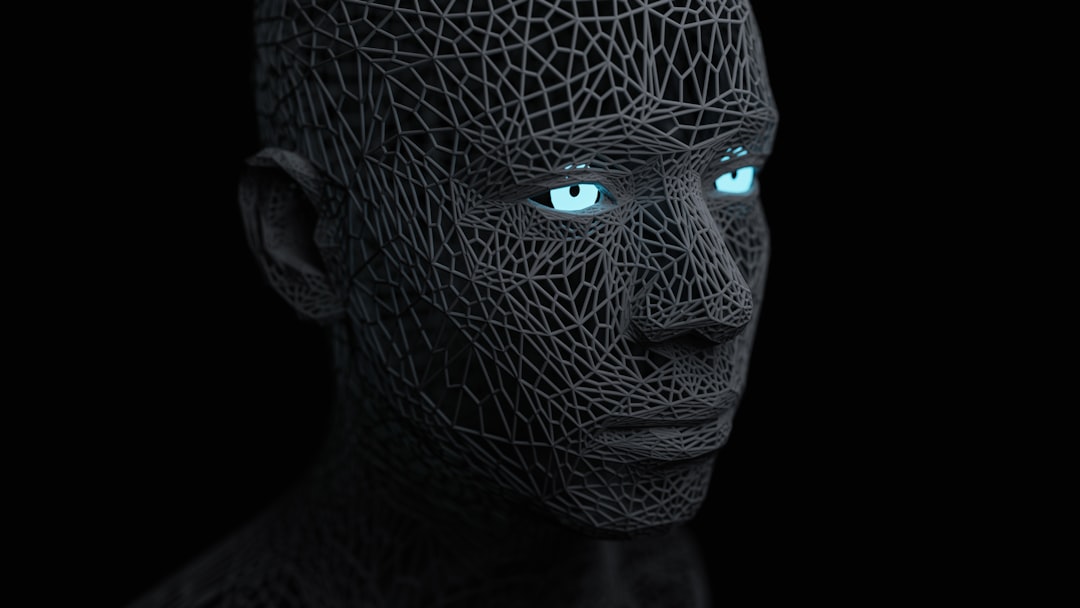
Digital humans are getting more realistic, but realism is not a straight path to better user experience. A face can look nearly photographic and still feel strange when its voice, timing, gaze or behavior does not match what the viewer expects.
This tension is often described through the uncanny valley: the idea that increasingly human-like representations can become unsettling when they are close to human but noticeably imperfect.
The uncanny valley is about expectation
A stylized character gives users permission to accept abstraction. A highly realistic digital human creates a different expectation. Small inconsistencies become easier to notice because the brain compares the character with real human behavior.
The practical lesson for AI products is that visual fidelity cannot be evaluated in isolation.
Motion can matter more than a perfect still image
A portrait may look convincing until it begins to move. Eye direction, blinking, lip synchronization, head motion and gesture timing all contribute to perceived naturalness.
When movement is too smooth, too repetitive or slightly mistimed, users may notice the mismatch even if they cannot describe exactly what feels wrong.
Voice and face need to belong together
A realistic face paired with an emotionally flat or mismatched voice can deepen the uncanny effect. The reverse is also true: expressive speech can feel disconnected when facial movement does not support it.
This is why voice should be treated as part of a larger identity system. Our guide to AI voice vs AI personality explains the distinction.
Latency changes how realism feels
Human conversation has a rhythm. Long pauses, abrupt interruptions or delayed facial responses can make a digital human feel less present. The more realistic the visual presentation, the more users may expect natural conversational timing.
Real-time systems therefore balance rendering quality against response speed. A slightly simpler representation that reacts naturally can sometimes feel more convincing than a photorealistic one that responds awkwardly.
Personality can reduce the feeling of artificiality
Users do not judge a digital human only by its face. A coherent personality gives behavior context. Consistent humor, preferences, memory and conversational habits can make a character feel intentional rather than mechanically generated.
This is why digital identity consistency matters across modalities.
Stylization is a valid design choice
Not every digital human needs to chase photorealism. Stylized characters can be expressive, memorable and easier to keep visually consistent. The right level of realism depends on the product, audience and interaction style.
Entertainment experiences may benefit from stronger artistic identity, while professional applications may prioritize clarity and restrained realism.
Consistency beats isolated perfection
A useful design target is not the most realistic face possible. It is the most coherent complete experience. Appearance, voice, motion, language and memory should support the same identity.
That principle also explains why multimodal systems are difficult. As described in our guide to multimodal AI social, every additional format creates another opportunity for identity to align or drift.
Testing should include conversation, not screenshots
Teams building digital humans should evaluate full interaction sessions. A static beauty test cannot reveal timing problems, personality drift or awkward transitions between text, voice and video.
Testing should include different conversation lengths, emotional tones and device conditions. The goal is to understand how the digital human feels over time.
How Tuikor thinks about digital presence
Tuikor AI combines persistent AI personalities with multimodal interaction. The objective is not realism for its own sake. Visual presence becomes more valuable when it is supported by memory, identity and responsive conversation.
Explore digital personalities at Tuikor AI.
Final takeaway
The uncanny valley reminds product designers that humans evaluate systems holistically. A more detailed face can raise expectations faster than the rest of the experience can meet them. Coherence, responsiveness and personality may matter as much as raw visual realism.